Using an ESOP for Business Transition Can Be Complicated, But Selling to an Outside Buyer Is Often Uncertain and Even More Complicated with Less Flexibility and Fewer Tax Benefits When people describe the pros and cons of ESOPs, often they note that the plans are complex. ESOPs are somewhat more complex than 401(k) and similar retirement plans and do cost substantially more to install and somewhat more to operate, mostly because an annual appraisal is required for closely held companies. But ESOPs are not more complex than selling to a third party. The table below compares what issues come up in the sale of a company to an ESOP compared to a sale to a third party. It was prepared with the advice of professionals who have done both kinds of transactions. The table indicates that the overall level of complexity is similar, but ESOPs are much less risky in terms of the likelihood of finding a buyer. They are also considerably less costly, mostly because in the case of a sale to a third party, in addition to substantial legal, accounting, and sometimes other fees, the price paid to the seller is usually reduced by brokerage commissions paid by the buyer. Sales to third parties also do not qualify for special tax benefits, as is the case with ESOPs.
Read More
A strong corporate recognition culture motivates employees as well as attracts and retains top talent—a win for the company and a win for the employee. There’s nothing we like better at The Great Game of Business®! A recognition culture doesn’t happen by accident and it doesn’t happen overnight. Looking at best practices and tips can save you the trouble of reinventing the wheel—here are 6 best practices for you to consider when creating a recognition culture in your organization.
Read More
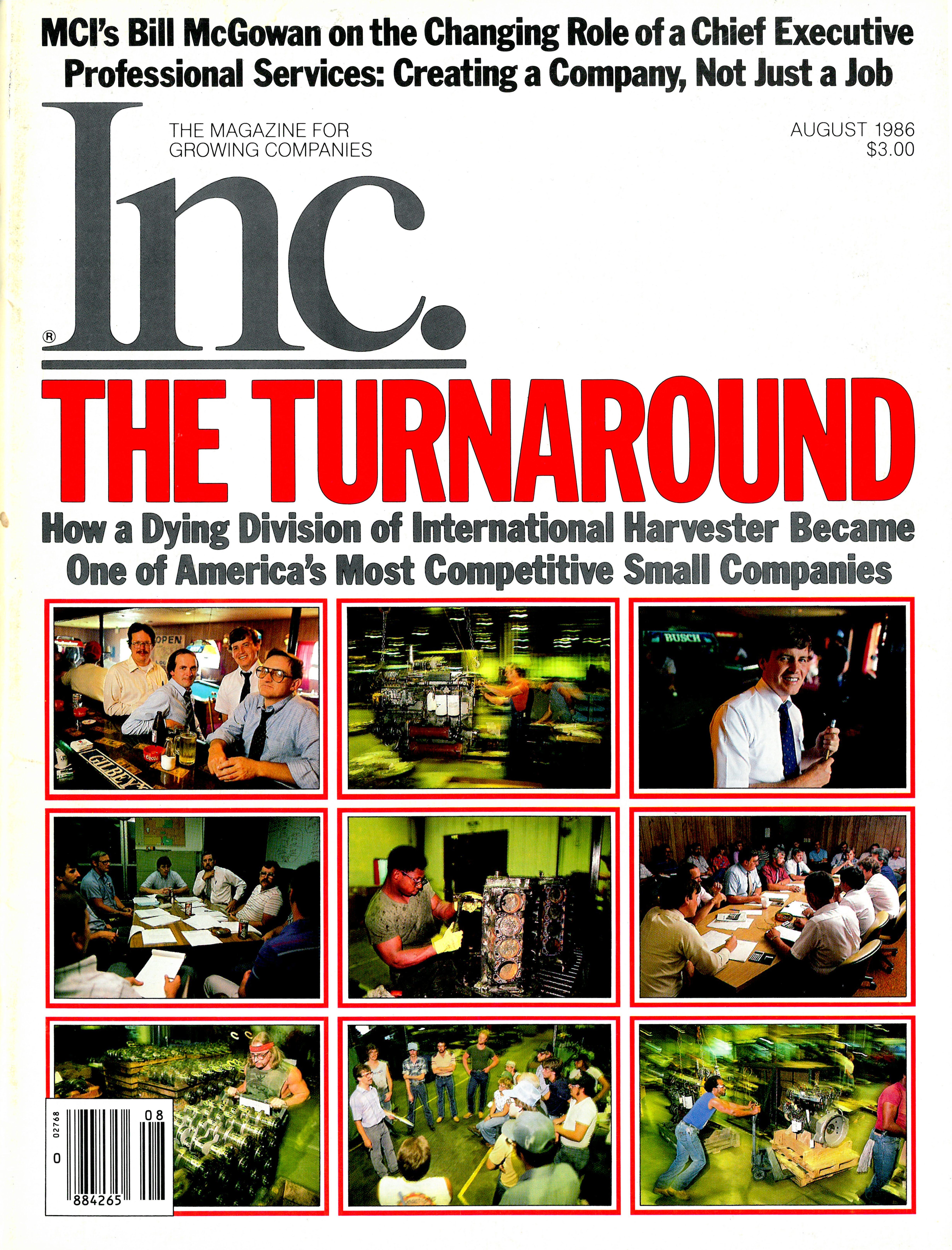
Inspired by Rich Armstrong & Steve Baker's new book, Get in the Game: How to Create Rapid Financial Results and Lasting Cultural Change. For nearly forty years, Springfield Remanufacturing Corporation (SRC) and subsidiary The Great Game of Business, Inc. have been known as the “open-book people.” The term open-book management (OBM) was coined by John Case in reference to SRC's "maverick" management practice in an Inc. Magazine article back in the 1980s, and the name stuck. With SRC and Great Game’s approach to OBM, Jack Stack, our CEO and founder, was even dubbed the “Father of Open-Book Management” by Inc. But if you ask Jack what he thinks of OBM, he’ll tell you that opening the books is only part of the story... financial transparency is worthless without education, accountability, and reward. The only way to see your people AND your organization grow and transform is by teaching employees how business works.
Read More
Over the years, I’ve interviewed over 200 highly successful CEOs, military officers, entrepreneurs, and leadership gurus including John C. Maxwell, Ken Blanchard, Stephen M.R. Covey, Liz Wiseman, Kim Scott, Patty McCord, and others. I always get them to reveal their number one secret to workplace leadership; what advice would they give to a younger version of themselves? After analyzing their answers 10 themes emerged.
Read More
How many times have you been a customer and heard that line? It usually happens right after you bring a product or service defect to the attention of someone at an establishment where you’re spending your hard-earned money. I was on the receiving end of this statement recently. It was tempting to give a customer service lecture to the person in front of me, faultless as he may have been.
Read More
Great Game Huddles (what others may mistake for typical staff meetings) provide a communication rhythm where everyone is kept informed, involved, and engaged in the progress of The Game.
Read More
In almost every business, the cost of human capital is one of the biggest expenses, sometimes as much as 70% of a company's annual budget. Despite this fact, many organizations don't invest in an employer brand plan. Similar to lead generation campaigns that target new customers, this brand communication plan focuses on the talent audience. With unemployment continuing to trend under 4%, and companies' focus on employee recruitment and retention as we all fight in the war for talent, savvy leaders are starting to invest in employer brand strategies as part of their growth plan and competitive advantage. Here's How to Play by the Numbers:
Read More
If you’re an owner, president, or leader in your company, anticipating setbacks or failures isn’t an easy task. Even if you can foresee these unfortunate circumstances, developing a strategic plan may not be on the top of your to-do list. What’s your “Plan B” if you lose a big client or a client needs you to increase your support significantly? What happens during difficult times when the economy takes a downturn? Do you know what you would do if a critical team member were to leave during a busy season? If 2020 has taught us anything, it’s that your business can’t wait until that moment occurs to find out.
Read More
In October 2019, Rick Hedden retired from SRC after 36 years. He was 59 years old. At the time, his shares in the company’s ESOP plan were worth seven figures. But the lessons he learned from playing the Great Game of Business over his career at SRC might be even more valuable. It helped him live his version of the American Dream. Here is his story.
Read More
Inspired to diversify their employee-owned business, Malco Products has revived an abandoned factory and its iconic brand from the bottom up. The U.S. has been bleeding manufacturing jobs for decades. Back in 1980, for example, more than one-third of men with a high school degree worked in the manufacturing sector . But those numbers soon began a rapid decline fueled by a combination of factors ranging from the rise in automation and rising competition with nations like China to an increase in the so-called “skills gap” that left many manufacturing jobs unfilled due to a lack of workers qualified to fill those openings. That’s why, today, manufacturing jobs make up about 8% of total employment , according to the Bureau of Labor Statistics.
Read More
.png)


.png)


.png)




.png)





-5.png)