.png)


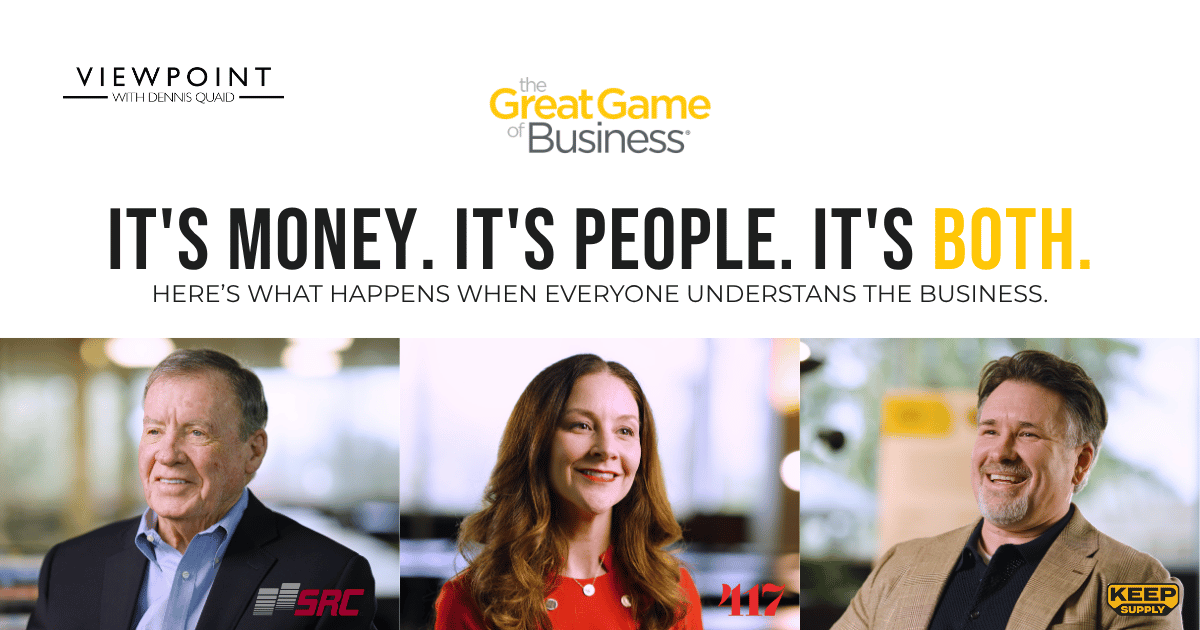
It's Money. It's People. It's Both. Here's What Happens When Everyone Understands the Business.
In 2022, the team at 417 Magazine in Springfield, Missouri, faced a difficult decision.
Printing costs were rising, and the company needed to increase its advertising rates to protect profitability. Initially, the team considered a 3% increase, which would have matched its largest price increase ever.
But when they worked through the numbers, they realized 3% wouldn't be enough. They needed to raise rates by 6%.
In many businesses, that decision would have been made by leadership and handed down to the sales team, who would be left explaining the increase to customers.
At 417 Magazine, something different happened.
Because employees understood the company's financials and how pricing affected profitability, they recognized why the larger increase was necessary. The sales team supported the decision. Advertiser renewals weren't negatively affected, and the company reported 10% revenue growth in 2022.
It wasn't simply a successful pricing decision. It was an example of what happens when employees understand the business well enough to help make it better.
And it's exactly what The Great Game of Business is designed to do.
What happens when everyone understands how the business works?
Most business owners and leaders spend a lot of time thinking about the numbers.
Revenue. Margins. Cash flow. Labor costs. Customer retention. Growth opportunities.
They're constantly weighing decisions that affect the company's future.
But how many people throughout the organization are thinking about those same things?
That's a question at the heart of The Great Game of Business (GGOB), a proven business operating system built around a simple belief: When people understand how the business works, they can make better decisions and contribute more to its success.
It's also a central theme in GGOB's recent feature on Viewpoint with Dennis Quaid.
The feature shares stories from three very different organizations: 417 Magazine, KEEP Supply, and Greene County, Missouri.
One is a regional media company. Another is a rapidly growing industrial distributor. The third is a county government.
Their challenges are different, but they've discovered something in common.
When more people understand the numbers, know what drives results, and have an opportunity to influence the outcome, the organization becomes stronger.
That's the difference between simply sharing financial information and giving people the knowledge and tools to use it.
Growing a business without leaving people behind
At KEEP Supply, an industrial refrigeration parts distributor based in Springfield, Missouri, The Great Game of Business has been part of the company from the beginning.
As KEEP grew, its leaders faced a challenge familiar to many successful businesses: How do you keep everyone informed, involved, and moving in the same direction as the organization gets bigger?
You can't expect a handful of executives to make every decision, solve every problem, and carry all the responsibility for growth.
KEEP's answer was to develop more people who could help run the business.
Every Tuesday, employees come together for a Huddle to review financial performance, update scoreboards, and discuss what the numbers are telling them. Teams forecast their results, managers explain changes, and people across departments learn how their work affects the company's performance.
As the organization expanded, KEEP also invested in developing managers who could forecast, plan, and help shape strategy.
The results have been significant. According to its 2025 Healthy Company case study, KEEP Supply grew its revenue tenfold since its founding in 2017, expanded to more than 100 employees, and built a new warehouse with input from its team.
Just as important, the company has worked to maintain the culture and shared responsibility that helped it grow.
KEEP demonstrates an important point: The Great Game isn't something a company does in addition to running the business.
It becomes the way the business runs.
The same principles work beyond business
The Viewpoint feature also highlights a story that might surprise some people: Greene County, Missouri.
County government doesn't operate like a traditional business. Its priorities include public service, responsible stewardship of taxpayer resources, and accountability to citizens.
But county leaders recognized that many of the same challenges existed inside their organization.
Departments needed to understand their budgets, improve communication, and make more informed decisions about how resources were being used.
Working with The Great Game of Business, Greene County introduced regular Huddles, financial education, and more consistent forecasting.
Instead of reviewing the numbers only during the annual budget process, employees began learning how to evaluate their financial position throughout the year.
That created opportunities to make decisions proactively rather than waiting until problems appeared.
In its GGOB case study, Greene County reported improvements in its financial health and forecasting. That progress helped the county provide employees with their first cost-of-living raise in nearly six years.
The county also expanded financial transparency for taxpayers, making information about revenues and expenses more accessible to the public.
It's a reminder that the value of business literacy, shared information, and accountability doesn't stop at the doors of a privately owned company.
These principles can help almost any organization make better decisions.
Explore Greene County's story.
More than open-book management. A better way to run a business.
The Great Game of Business began more than 40 years ago at SRC in Springfield, Missouri, when Jack Stack and his team faced the challenge of building a healthy, sustainable business while protecting the livelihoods of their employees.
They recognized that success couldn't depend on a few people at the top having all the answers.
Employees needed to understand the business, know what winning looked like, and have an opportunity to help create that success.
That thinking became the foundation for The Great Game of Business.
Today, organizations put those principles into practice through a repeatable operating system.
They teach employees how the business makes money and generates cash. They identify the most important numbers to improve. They use visible scoreboards and regular Huddles to track progress, forecast what comes next, and make adjustments while there's still time to influence the results.
And they give employees a stake in the outcome, connecting their contributions to shared success.
The goal isn't to turn every employee into an accountant or expect everyone to become a financial expert.
It's to help people recognize the connection between what they do every day and the results of the business.
A salesperson starts thinking about margins, not just revenue.
Someone in operations identifies an opportunity to reduce waste.
A manager spots a potential problem before it affects the bottom line.
A frontline employee understands why a particular goal matters and brings forward an idea to help achieve it.
Individually, those decisions might seem small. Across an organization, they can make a significant difference.
And as employees develop their understanding of the business, leaders gain something equally valuable: more people who can help identify opportunities, solve problems, and shape the future.
It's money. It's people. It's both.
For years, organizations have talked about improving financial performance and building stronger workplace cultures as though they were two separate objectives.
The Great Game of Business brings them together.
A healthy business creates opportunities for its people. And people who understand the business, feel responsible for its success, and share in the results can help make that business healthier.
That's the connection behind the stories of 417 Magazine, KEEP Supply, and Greene County.
These organizations didn't simply decide to become more transparent. They changed how people participated in running the organization.
They made financial education part of their culture. They created routines for communication and accountability. And they gave more people an opportunity to contribute.
The result is more than a business with informed employees.
It's a business with more people thinking, acting, and feeling like owners.
That's the kind of organization Jack Stack and the team at SRC set out to build more than four decades ago. And it's an approach that continues to help organizations navigate challenges, identify opportunities, and build stronger futures.
Because when more people understand the game, more people can help the organization win.
It's money. It's people. It's both.
See what The Great Game of Business can do for your organization.
Watch the stories featured in Viewpoint with Dennis Quaid and discover how organizations are putting these principles into practice.
Ready to learn how it works? Join our free virtual Discover the Game session to explore the principles, practices, and tools behind The Great Game of Business.

.png)




-5.png)